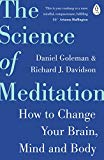
After a Rebus binge it is time for a ‘serious’ book – a return to non-fiction and the excellent Dan Goleman. Looking forward to exploring the “realities” of meditation and popular branches of that like mindfulness.
Cognition
The Long Cosmos
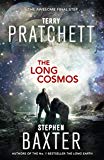
The next (and last) step (so to speak) in this rambling exploration of parallel worlds. Plenty of food for thought in the whole series – as long as you don’t require ‘answers’. Not that the reading date of this is approximate as I can’t remember precisely when I read it.
Biocentrism

Another ‘serious book’ – and one that was interesting for quite different reasons. I still don’t know what consciousness is – how it comes about, but this book gives an interesting – if perhaps slightly biased – view which attacks the mainstream physics view
Thought Vibration

A short book – only 105 pages. An old book – written in 1906. A fascinating book – in a time when these sort of ideas are being resurrected by the likes of Rupert Sheldrake and his morphic fields this is a real insight into a way of thinking that was seemingly abandoned – at least by mainstream thought – for much of the 20th Century. Proves once again that it is often wrong to assume that “no one has thought of this before” about ANY subject.
Everyone Knows
I’ve said it before – and I will probably say it again – it is really good when you get unexpected confirmation of things that you have written. In my recent post Tell Me About It I tackled the ever more prevalent problem of what is known as the “illusion of explanatory depth” with regard to our knowledge.
All In The Presentation
“Its all just ones and zeroes” – not sure whether that quote comes from a single identifiable source, but it is often used as a way of breaking down the complexities of most computer systems to something “understandable”. The problem is that although we understand “ones and zeroes” in their own right it requires rather more to interpret the meaning of all those “ones and zeroes”.
Tell Me About It
One thing that has informed my worldview over recent years was the discovery that there exist a whole host of cognitive biases that cause us to mis-perceive everything we see, hear and think. In a previous post I linked to an article that listed no less than 58 of these – and I have a poster on my desk which lists 20. (note that these both originate from the same website)
Jumping To Conclusions
In the last few days I have seen two really good examples in social media of people bringing their own biases to discussions and replying to what they thought was written rather than what was actually written. In both cases it made them look just a bit foolish.
Are We Less Smart Than We Think We Are?
I am often intrigued by the type of post that appear on Social Media that ‘shout’ “only the smartest can get this right” or “only people with high intelligence can do this”. My gut feel is that these were simply ‘click-bait’ – trying to draw you in with the promise of proving that you are ‘better’ than many.
Does Reality Matter?
One recurrent theme of my blog entries is the difficulty we each experience separating reality from fiction. I don’t mean that we are consciously deluding ourselves – although I expect that we all do that from time to time – rather that we simply lose track of what is real as against what is “made up”.