When you start to think about it, it is sobering – no – downright scary just how many people and events may be affected in the future by the decisions we make, individually and collectively, today. I may believe that I have some idea of the immediate effects however, given the way that the world is now connected so much more than ever before, it is next to impossible to determine the totality of the effect of each and every decision we make.
Worldview
Dodger

A ‘gentle’ story with all the wit of the typical Pratchett books. Recommended
If Only
I have had personal and harrowing experience of the “if only” thoughts – I find it hardest to deal with in respect of how my actions (or my inaction) affects other people. I don’t mean directly – since that is ‘usually’ understood at the time – at least to a certain extent – I am talking about decisions that have long term repercussions that are far from what is envisaged.
A Word That Deserves A Better Press
There are some words that fall into disuse. There are other words that people are scared of. There are words that change their meaning over time. We all use too many words without thinking. Words play a huge part in everyone’s life. I’d like to talk about an adjective that we seemingly try to avoid – vulnerable.
The Meaning Of Average
What a bizarre headline for an article was my first thought, but then – is this how most people think? Then again – bizarre headlines are not exactly unusual – they appear everywhere and are mainly designed to pull in the unsuspecting reader.
History Is What We Make It
The fact that our memory is nearly 100% fallible (note that I am not saying 100% wrong) means that to some extent we need to doubt what we have really experienced in the past. Our own personal life story is full of bits and pieces that our minds have made up to “fill in the gaps” between the reality that we actually do remember correctly.
A New Science of Life
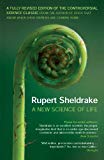
Although some of this was interesting, this on the whole was not the best reading this year. I like lots of Sheldrake’s ideas, but this was probably the wrong book of his for me to read.
Daring Greatly
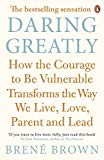
This book is definitely on my wish list. I have been very impressed and encouraged by the author’s TED talks on vulnerability and would like to read more. There is little doubt that the topics covered here are in many ways central to the way that I feel about my ‘connections’ to others.
It is, of course very closely linked to the next book down – “Being Wrong” – since the ability to admit to wrongness is an admission of vulnerability.
Being Wrong
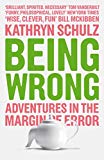
This book almost perfectly matches my own world view – now, perhaps that is simply an instance of one of the dangers warned against in the book – confirmation bias – but I would like to think that it is more than that.
Games People Play
We all do it – whether it is keeping something a secret or “putting on a face” when we are feeling down or slapping on the makeup to make us look better than we do (NOT something I indulge in personally 😉) or dressing for dinner – its all an act – a game we play to hide the ‘reality’ in one way or another from someone or other.